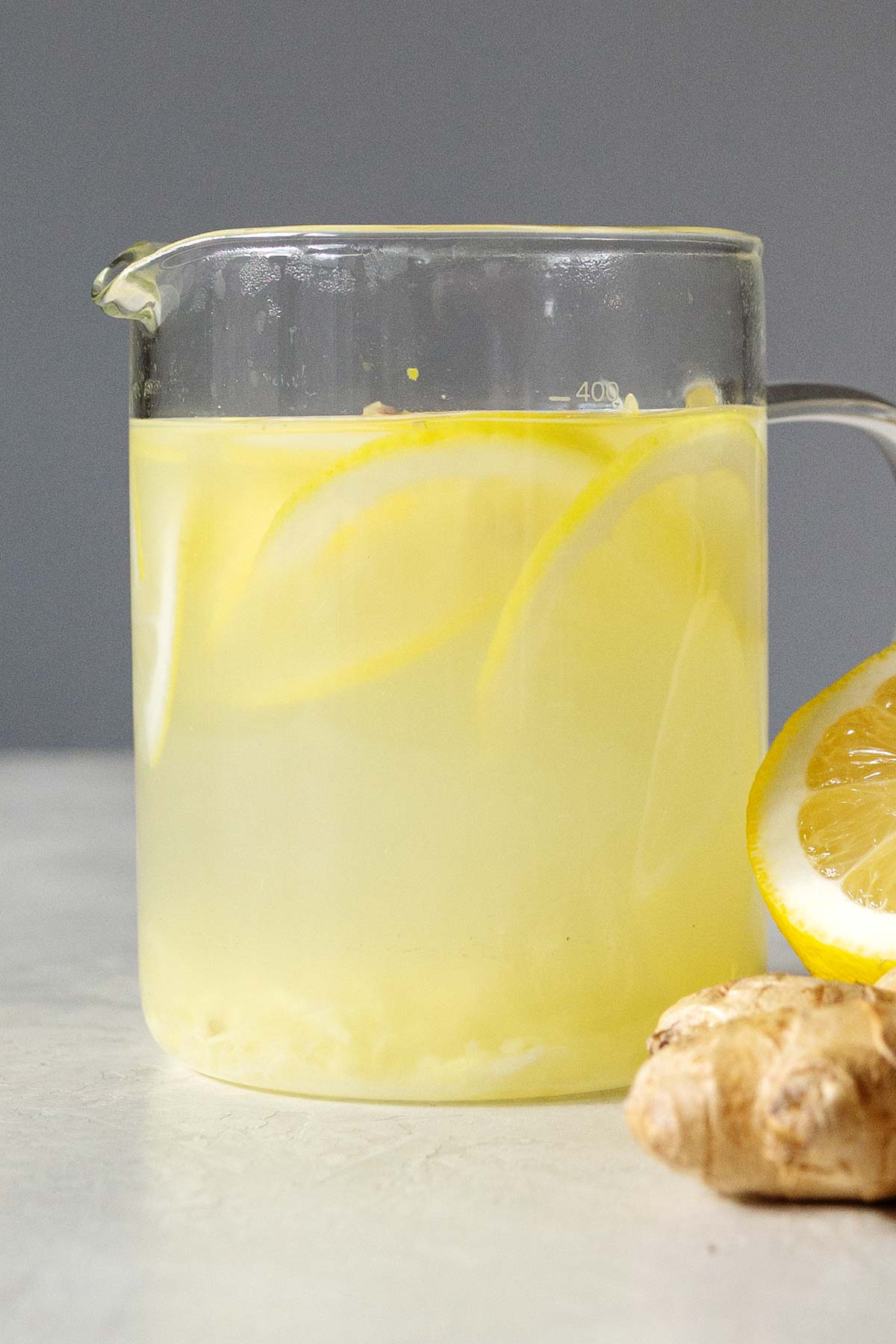
Whip Up Easy Ginger Tea: Your Simple Guide to a Warming Brew
As the cooler months descend or whenever you crave a moment of comforting warmth, few beverages offer solace quite like a freshly brewed cup of ginger tea. Far from being a mere cold remedy, this aromatic infusion provides a delightful balance of spice and sweetness, making it a perfect pick-me-up any time of day. It’s a versatile brew, adored for its inviting aroma, invigorating kick, and the cozy feeling it spreads throughout your body. Best of all, learning how to make ginger tea at home is surprisingly simple, requiring minimal effort and just a few basic ingredients. Forget pre-packaged mixes; with this guide, you’ll unlock the secrets to crafting a truly personalized, flavorful brew tailored to your exact preferences.Why Fresh Ginger Tea is Your Go-To Brew for Comfort and Wellness
There's something uniquely restorative about a mug of homemade ginger tea. Its distinct spicy-tangy profile, derived from the natural essential oils in fresh ginger, creates an unparalleled aromatic experience. Unlike milder herbal teas, ginger tea boasts a robust character that truly warms you from the inside out, making it an ideal companion on a chilly evening, after a long workday, or simply when you need a moment of tranquility. Beyond its comforting embrace, ginger has been cherished for centuries for its potential wellness benefits, from soothing an upset stomach to offering a gentle pick-me-up when you're feeling under the weather. The beauty of making it yourself is the control you have over its intensity, allowing you to fine-tune the spice level to match your mood and palate.Essential Ingredients for Your Perfect Ginger Tea
One of the most appealing aspects of homemade ginger tea is its simplicity. You don't need an elaborate setup or a long list of exotic ingredients. For a basic, yet incredibly satisfying, brew, you primarily need two things: fresh ginger and hot water.The Star: Fresh Ginger Root
For the most vibrant and potent tea, fresh ginger root is undoubtedly the champion. It's packed with essential oils that contribute to its characteristic spicy, tangy flavor and warming sensation. When selecting ginger at the grocery store, look for firm, smooth-skinned roots without any soft spots or mold. A good piece of ginger will feel heavy for its size and have a fresh, pungent aroma when scratched lightly. While some recipes suggest a precise amount, a good starting point is approximately 20 grams (or about a 1-inch knob) of fresh ginger for every 250ml (about 1 cup) of water. However, this is highly customizable – feel free to adjust up or down based on how spicy you like your tea.The Foundation: Water
The quality of your water matters. Filtered water will yield the cleanest, most refreshing taste, allowing the ginger's flavor to truly shine without any unwanted mineral notes.Optional Enhancements
While delicious on its own, ginger tea is incredibly adaptable to complementary flavors. Consider these common additions:- Sweeteners: A touch of honey (especially local honey!), maple syrup, agave, or even a natural sugar substitute can balance ginger's spicy bite.
- Citrus: A squeeze of fresh lemon or lime juice brightens the flavor profile and adds a refreshing tang.
- Other Spices: Cinnamon sticks, a pinch of turmeric, a dash of black pepper (which can also enhance turmeric absorption), or a star anise pod can introduce complex aromatic layers.
Fresh Ginger vs. Ginger Powder: Which to Choose?
While fresh ginger delivers the most intense and aromatic experience, ginger powder offers convenience and a longer shelf life. Fresh ginger's essential oils give the tea a robust, fiery kick and a complex aroma. Powdered ginger, on the other hand, is excellent for quick preparation as it dissolves easily and still provides that beloved warming quality, albeit with a milder flavor profile. If you're looking to dive deeper into the nuances of each form and decide which best suits your brewing style, you might find our detailed comparison in Fresh Ginger vs. Powder: Craft Your Perfect Warming Tea particularly insightful.Step-by-Step Guide: How to Make Ginger Tea at Home
Crafting a delightful cup of fresh ginger tea is incredibly straightforward. Here’s a simple guide to get you started:What You'll Need:
- Approximately 20g fresh ginger root (about a 1-inch knob)
- 250ml (1 cup) hot water
- A sharp knife or box grater
- A small saucepan or kettle
- A mug or teapot
- A fine-mesh strainer (if your teapot doesn't have one)
- Optional: Honey, lemon wedge, other spices
Preparation Steps:
- Prepare Your Ginger: This is where you have some options that impact the tea's strength.
- Slicing: For a milder tea, slice the ginger into thin rounds or planks. The thinner the slices, the more surface area, and thus more flavor released.
- Grating: For a more potent, spicier brew, grate the ginger using the large holes of a box grater. This method extracts maximum flavor and beneficial compounds. If you don't have a grater, mincing it as finely as possible with a knife works well too. There's no absolute need to peel the ginger first; the skin is thin and perfectly safe to consume. However, if you prefer to remove it, a spoon's edge makes quick work of scraping it off without wasting much of the precious root.
- Boil the Water: Bring your 250ml of water to a rolling boil in a kettle or saucepan.
- Combine and Steep:
- If using a saucepan: Add the prepared ginger directly to the boiling water. Reduce heat to a simmer and let it steep for 5-10 minutes. The longer it simmers, the stronger the tea will be.
- If using a mug or teapot: Place the prepared ginger into your mug or teapot. Pour the freshly boiled water over the ginger. Cover the mug/teapot (to retain heat and aromatic oils) and let it steep for 4-10 minutes. Again, adjust steeping time based on your desired intensity.
- Strain and Serve: Once steeped to your liking, carefully strain the tea into your serving mug to remove the ginger pieces. If your teapot has a built-in strainer, you can skip this step. The ginger has given all its wonderful flavor and compounds to the tea, and the fibrous shreds can be discarded.
- Customize and Enjoy: Now's the time to add your personal touches! Stir in a spoonful of honey, squeeze in some fresh lemon juice, or drop in a cinnamon stick for extra warmth. Sip slowly and savor the comforting embrace of your homemade ginger tea.
Pro Tip: Bought too much ginger? Grate and freeze any excess ginger in small portions. This way, you'll always have it on hand for a quick, soothing cup whenever the craving strikes!
Elevate Your Brew: Exciting Ginger Tea Variations & Tips
Once you’ve mastered the basic recipe for how to make ginger tea, the possibilities for customization are endless. Experimenting with additional ingredients can transform your simple brew into a truly gourmet experience.Flavor Boosters to Try:
- Lemon Ginger Zest: Add a few strips of lemon zest along with a squeeze of fresh lemon juice after steeping. The zest contributes aromatic oils for a bright, vibrant cup.
- Golden Milk Inspired Ginger Tea: Brew your ginger tea with a pinch of turmeric powder and a dash of black pepper (to aid turmeric absorption). A splash of your favorite milk (dairy or plant-based) can turn this into a comforting latte.
- Spiced Winter Warmer: During the colder months, infuse your ginger tea with a cinnamon stick, a couple of cloves, or even a star anise pod while steeping. This creates a deeply aromatic and warming beverage perfect for cozy evenings.
- Minty Fresh Ginger Tea: Add a few fresh mint leaves during the last minute of steeping for a refreshing twist that complements ginger’s spice beautifully.
- Fruity Ginger Infusion: Consider adding a few thin apple slices, a small piece of orange peel, or even a few berries to the steeping water for a subtle fruity note.
Tips for the Best Results:
- Adjust Intensity: If your tea isn’t spicy enough, steep for longer or use more ginger next time. If it’s too strong, reduce the ginger amount or steeping time.
- Don't Over-Boil: While you bring water to a boil, prolonged vigorous boiling of the ginger itself can sometimes make the tea taste slightly bitter or dissipate some of the delicate aromatics. Simmer gently for best results.
- Store Leftovers Smartly: If you brew a larger batch, store it in an airtight container in the refrigerator for up to 2-3 days. It’s delicious served cold as an iced ginger tea too!
- Consider Organic Ginger: If you plan not to peel your ginger, opting for organic varieties can minimize pesticide exposure.
