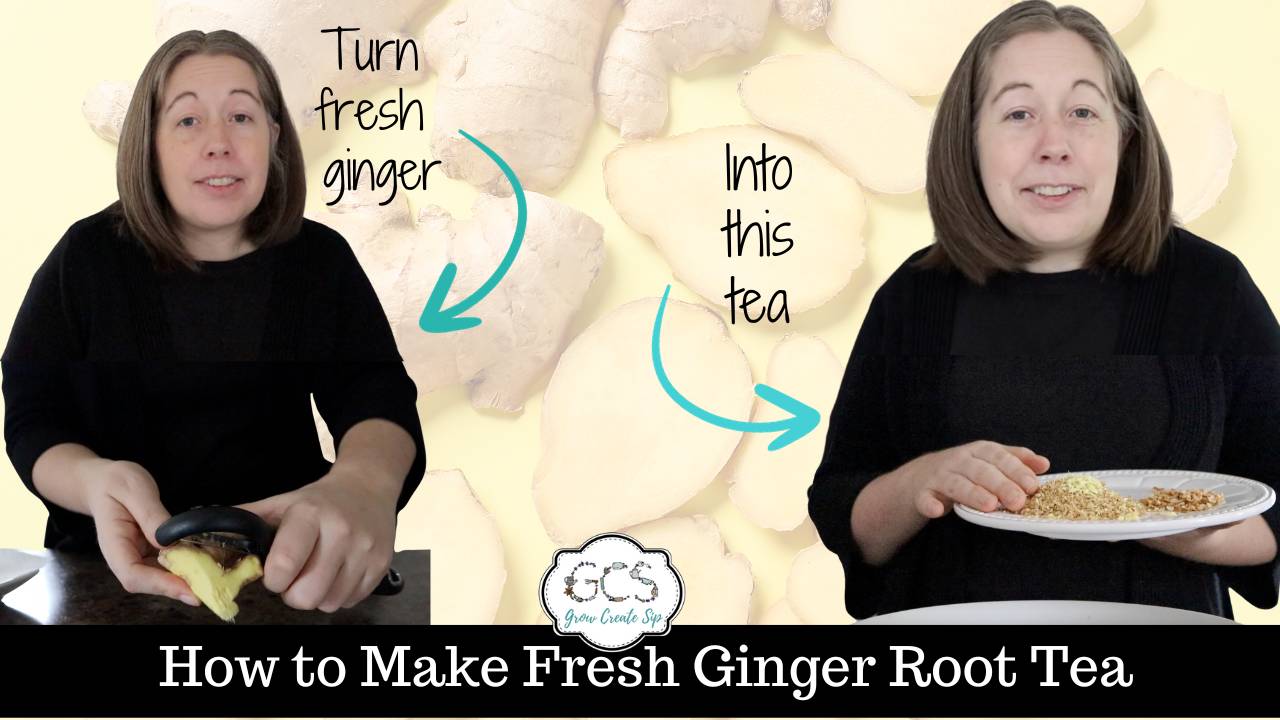
From Root to Cup: Easy Fresh Ginger Tea for Comfort & Colds
There's something uniquely comforting about a warm mug cradled in your hands, especially when a chill is in the air or you're feeling under the weather. While many herbal infusions offer solace, few rival the invigorating embrace of fresh ginger tea. With its distinctive spicy kick, soothing warmth, and a myriad of wellness benefits, a homemade ginger infusion is a simple pleasure that delivers big on comfort and healing. Forget complex recipes or store-bought sachets – learning
how to make ginger tea at home is surprisingly easy, allowing you to tailor every sip to your exact liking.
The Magic of Fresh Ginger: More Than Just a Spice
Before we dive into the brewing process, let's appreciate the star ingredient itself: fresh ginger. This gnarled root has been revered for centuries in traditional medicine across various cultures, and for good reason. Unlike its powdered counterpart, fresh ginger boasts a higher concentration of essential oils responsible for its vibrant, pungent, and intensely aromatic flavor. These compounds, primarily gingerols, are not only what give ginger its characteristic warmth and zest but are also potent bioactive components.
When you steep fresh ginger, these beneficial compounds, along with other antioxidants, are released into your tea. This makes fresh ginger tea an excellent choice for:
*
Soothing Digestion: Ginger is a well-known carminative, helping to relieve indigestion, bloating, and nausea. It's a go-to remedy for upset stomachs or motion sickness.
*
Combating Colds and Flu: The warming sensation of ginger tea isn't just a feeling; it can help promote sweating, which is beneficial when fighting a fever. Its anti-inflammatory properties can also ease sore throats and clear congestion.
*
Reducing Inflammation: Gingerols are powerful anti-inflammatory agents, making ginger tea a natural ally for those dealing with muscle soreness or chronic inflammatory conditions.
*
Boosting Circulation: The "warm feeling" ginger spreads throughout the body is a testament to its ability to stimulate blood flow, contributing to overall warmth and vitality.
While ginger powder offers convenience and a longer shelf life, it can sometimes lack the nuanced complexity and potency of its fresh form. For an unparalleled aromatic experience and maximum wellness benefits, fresh ginger is truly the way to go. If you're curious about the differences and when to choose one over the other, you might enjoy our detailed comparison in
Fresh Ginger vs. Powder: Craft Your Perfect Warming Tea.
Gathering Your Essentials: What You'll Need
One of the beautiful things about homemade ginger tea is its simplicity. You don't need fancy equipment or a long list of ingredients. For a basic, wonderfully effective cup, you'll only require a few items:
*
Fresh Ginger Root: The fresher, the better! Look for firm, smooth skin without any soft spots or mold.
*
Hot Water: Filtered water often provides the best taste for any tea.
*
A Mug or Teapot: Something to hold your brew.
*
A Tea Strainer or Fine-Mesh Sieve (Optional, but Recommended): To remove the ginger pieces for a smoother sip.
*
Optional Add-ins: Honey, lemon, or other spices for enhancing flavor.
For our base recipe, we'll aim for a ratio of approximately
20 grams of fresh ginger per 250 milliliters (about 1 cup) of hot water. This provides a robust, flavorful cup, but you can always adjust the ginger amount to suit your personal preference for intensity.
Step-by-Step Brewing: How to Make Ginger Tea for Instant Comfort
Ready to brew? Here’s a simple guide to
how to make ginger tea, ensuring a perfect, comforting cup every time.
1. Prepare Your Ginger
This is perhaps the most crucial step, as how you prepare the ginger impacts the flavor extraction.
*
To Peel or Not to Peel? The skin of fresh ginger is thin and contains some beneficial compounds. For convenience and minimal waste, you can often leave it on, especially if you're grating it finely. However, if you prefer to remove it, the easiest method is to gently scrape the skin off with the edge of a spoon rather than a vegetable peeler, which can remove too much of the valuable flesh.
*
Slicing vs. Grating:
*
Slicing: For a milder tea, or if you don't have a grater, slice the ginger into thin rounds or planks (about 2-3mm thick). This is good for a quick, less intense brew.
*
Mincing: If you're using a knife, finely mince the ginger after slicing. The smaller the pieces, the more surface area for flavor extraction.
*
Grating (Recommended): For the most potent and flavorful tea, grate the ginger using the large holes of a box grater. This method breaks down the fibers and exposes a maximum amount of surface area, allowing the essential oils and beneficial compounds to infuse thoroughly into the water. Aim for about 1/4 cup of grated ginger, which corresponds to roughly 3-4 good-sized knobs, or our recommended 20g.
2. Boil the Water
Bring 250ml of fresh water to a rolling boil. The hotter the water, the better it will extract the ginger's essence.
3. Combine and Steep
* Place your prepared ginger (sliced, minced, or grated) into your mug or teapot.
* Carefully pour the boiling water over the ginger.
* Allow the ginger to steep. A good starting point is
4-5 minutes for a balanced flavor. If you prefer a stronger, spicier tea, you can steep for up to 10 minutes or even longer. For an extra robust infusion, some people even simmer the ginger directly in water on the stovetop for 5-10 minutes before straining.
4. Strain and Serve
* Once steeped to your desired strength, use a tea strainer or fine-mesh sieve to remove the ginger pieces. If your teapot has a built-in strainer, you can skip this step. Discard the fibrous ginger remnants; they've given all their goodness to your tea.
* Pour your steaming ginger tea into your favorite mug.
Elevate Your Brew: Variations and Serving Suggestions
While pure ginger tea is wonderful on its own, its versatility allows for endless customization. Here are some popular additions to elevate your homemade brew:
*
Sweeteners: A drizzle of
honey is a classic pairing, softening ginger's spicy bite and adding its own soothing properties. Maple syrup, agave nectar, or a touch of stevia are also great alternatives. Add to taste once the tea has steeped.
*
Citrus Zest: A squeeze of fresh
lemon or lime juice not only brightens the flavor but also adds a boost of Vitamin C. You can also drop a lemon or lime wedge into your mug.
*
Spices: For an even warmer, more complex profile, consider adding other whole spices to your steep. A cinnamon stick, a few cardamom pods, a star anise, or a pinch of ground turmeric can transform your tea into an aromatic elixir.
*
Herbs: Fresh mint leaves or a stalk of lemongrass can introduce refreshing, fragrant notes.
*
Tea Base: For a layered flavor and a gentle caffeine kick, steep a black or green tea bag along with your ginger. Remove the tea bag after its recommended steeping time, then allow the ginger to continue infusing.
Tips for the Perfect Cup & Beyond
*
Adjusting Intensity: If your tea is too spicy, simply add more hot water or a bit more sweetener. If it's too mild, increase the amount of ginger next time, or steep it for a longer duration.
*
Freezing Fresh Ginger: Don't let extra ginger go to waste! Grate a larger batch and freeze it in small portions (e.g., in an ice cube tray with a little water, or simply in a freezer bag) for quick and easy access whenever a craving strikes. This way, you always have prepped ginger on hand.
*
Reusing Ginger? While you *can* re-steep ginger pieces, the second brew will be significantly weaker as most of the active compounds and flavors have already been extracted in the first steep. For optimal taste and benefits, we recommend using fresh ginger for each cup.
Conclusion
From its humble root form to a steaming, fragrant cup, fresh ginger tea is a testament to nature's simple yet powerful remedies. Whether you're seeking comfort on a cold day, a gentle pick-me-up, or a soothing tonic for an upset stomach, mastering
how to make ginger tea is an invaluable skill. It’s a versatile beverage that can be customized to your taste, offering warmth, spice, and a wealth of health benefits with minimal effort. So, next time you're reaching for a hot drink, consider brewing a fresh ginger infusion – your body and senses will thank you for this delightful, aromatic treat.